Infant feeding therapy for bottle refusal & breastfeeding · Long Island & virtual
Find out why your baby won't eat, and get a plan to fix it
Help with breastfeeding, bottle refusal, latch, and starting solids. We find the root cause and create a personalized plan to help your baby feed comfortably.
Not ready for an evaluation? Start with a Feeding Clarity Session. Its cost goes toward your evaluation if you book within 7 days.

Sound familiar?
You were told feeding would come naturally
Instead, you're:
- Googling at 2 a.m.
- Trying yet another bottle
- Running on very little sleep
- Hearing conflicting advice
- Wondering if you're overreacting, while knowing something isn't right
Your baby isn't being difficult.
Babies don't refuse the bottle or breast to be difficult. They're telling you something makes feeding hard or uncomfortable. Meanwhile, one provider says tongue tie, another says reflux, another says wait and see. We look at the whole picture to find the real reason, so you don't have to connect the clues alone.
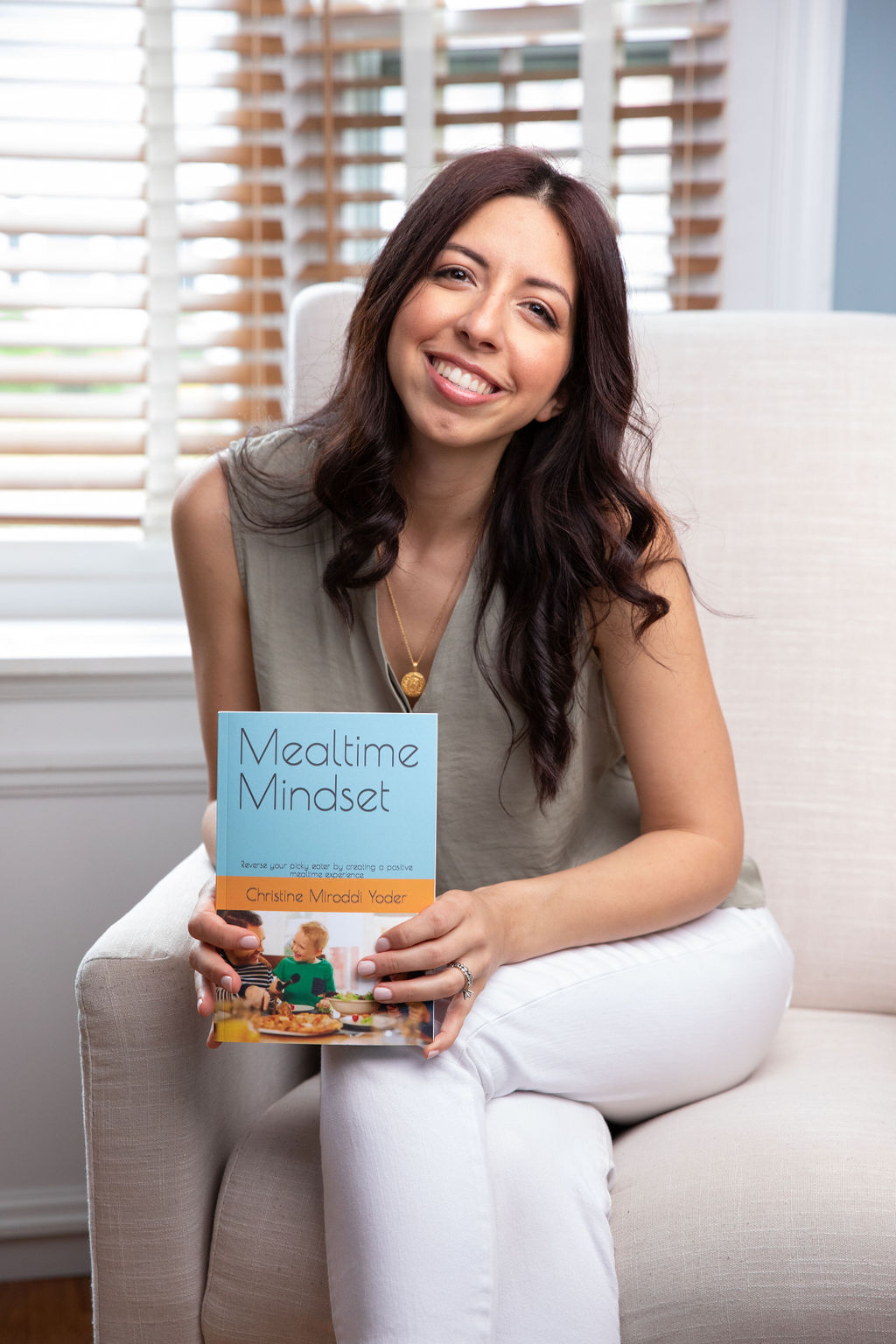
Hi, I'm Christine
Even as a speech pathologist, I couldn't help my own baby at first
When my first son was born, I understood the anatomy and the milestones, and I knew enough to know something was wrong. But when he struggled to latch, seemed hungry all the time, slept poorly, and was colicky, I felt completely lost.
I found answers in tongue ties, body tension, food sensitivities, and oral motor skills, but they were scattered across different specialists, books, and forums. No one was looking at the whole picture. So I built the place I wish I'd had.
The whole picture
Feeding problems are rarely just feeding problems
Some babies need help feeding. Others need help feeling good. Knowing which baby you have changes everything. We look at all of it:
Bottle refusal & feeding aversion
Signs your baby's bottle refusal is more than a phase
Every baby has off days. It may be time to get help if your baby:
- Refuses most bottles or nursing sessions, even when hungry
- Cries, arches, or pulls away during feeds
- Only takes small amounts, or feeds regularly take more than 30 minutes
- Coughs, chokes, or gags often while feeding
- Makes clicking sounds, leaks milk, or can't keep a latch
- Feeds best only when drowsy or asleep
- Has reflux, gas, constipation, or eczema alongside feeding struggles
- Is gaining weight slowly
Call your pediatrician right away if
Your baby has fewer wet diapers than usual, a fever, is unusually sleepy or hard to wake, or is refusing nearly all feeds. Those need medical attention first.
For ongoing feeding struggles, a feeding evaluation looks for the reason behind the refusal, so you can stop guessing.
of the toddlers and kids we see for picky eating had feeding struggles as babies.
Why getting help now matters
Today's bottle battles can become tomorrow's picky eating
Babies learn quickly whether eating feels safe and comfortable. When feeding is hard for months, that stress can carry into purées, solids, and the toddler table. In our practice, we see it all the time: the picky eaters who come to us later often had a difficult start with breast or bottle.
Working on feeding now, while skills and habits are still forming, is usually easier than undoing years of stress around food later. Many families choose to add a few sessions after the evaluation, so we can follow their baby through the move to purées and solids and adjust the plan as they grow.
Compare your options
Not ready for a full evaluation?
Start with a Feeding Clarity Session: an hour with Christine to get expert answers and a few clear next steps, before you commit to a full program.
Decide to move forward? Book Feeding Foundations or the Whole Baby Feeding Roadmap within 7 days of your Clarity Session, and your $275 goes toward the evaluation.
The Feeding Clarity Session is a coaching conversation, not an evaluation. Christine reviews the history you send and talks through your questions, but she doesn't assess your baby directly, diagnose, or create a treatment plan. If your baby needs an evaluation, she'll tell you, and you can move into Feeding Foundations or the Whole Baby Feeding Roadmap.
| Questions firstFeeding Clarity Session™ | Feeding focusFeeding Foundations | Complete pictureWhole Baby Feeding Roadmap™ | |
|---|---|---|---|
| Best if you want | Expert answers and next steps, without committing yet | Help with latch, bottle refusal, or feeding efficiency | Feeding help plus reflux, colic, sleep, or digestion |
| Format | 60-minute virtual coaching session | Evaluation + first treatment session | Evaluation + first treatment session, lab testing, and results review |
| History reviewed in advance | ✓ | ✓ | ✓ |
| Hands-on evaluation of your baby | ✕Not an evaluation | ✓ | ✓ |
| Written report for your pediatrician | ✕ | ✓ | ✓ |
| Treatment or action plan | ✕2–3 next steps + follow-up email | ✓ | ✓ |
| Food sensitivity & gut testing* | ✕ | ✕ | ✓ |
| First treatment session + text/email support | ✕One session | ✓ | ✓ |
| Price | $275Credited toward your evaluation if you book within 7 days | $495Payment plans available | $1,195Payment plans available |
| Book a Clarity Session | Start Foundations | Start the Roadmap |
Feeding Clarity Session™ · $275
- Best if you want
- Expert answers and next steps, without committing yet
- What it is
- 60-minute virtual coaching session. Christine reviews your baby's history first, but doesn't evaluate your baby directly.
- You leave with
- 2–3 next steps + a follow-up email
- Good to know
- Book your evaluation within 7 days and your $275 goes toward it.
Feeding Foundations · $495
- Best if you want
- Help with latch, bottle refusal, or feeding efficiency
- What it is
- Hands-on evaluation + first treatment session, with text and email support
- You leave with
- Written report for your pediatrician and a treatment plan
Whole Baby Feeding Roadmap™ · $1,195
- Best if you want
- Feeding help plus reflux, colic, sleep, or digestion
- What it is
- Hands-on evaluation + first treatment session, food sensitivity and gut testing*, and a results review
- You leave with
- Written report, lab review, and a customized action plan
Inside the experience
What happens in your session
Comprehensive assessment
A full look at suck, reflexes, latch, positioning, and tongue or lip tie concerns.
Personalized plan
A treatment plan built specifically for your baby's needs and challenges.
Strategies you can use today
Walk away with techniques and exercises to try right away.
Written report
Detailed findings and recommendations you can share with your pediatrician or other providers.
Exercise instructions
Written, step-by-step instructions for every exercise and technique to practice at home.
Ongoing support
Email and text support between sessions for questions about your baby's progress.
Add sessions as you need them
After your evaluation and first session, book more sessions à la carte, only if and when you need them. Each 50-minute session includes a progress review, next-step homework, strategy adjustments, a detailed email recap, and text support between sessions.
Package pricing is available after your initial evaluation.
Family stories
What parents say
5.0 on Google · 30 reviews"Worth every second, and every penny… The team was truly the first and only to find the root of bottle refusal. You will walk away with deeper knowledge and relief for your child."
Colleen P. · Google review
"Before feeding therapy, my son was over one year old and still on purées. With Krystal's help, my son is now THRIVING and eating anything and everything! At his 2-year doctor appointment even the pediatrician was impressed."
Nicole R.
Every baby is different. These reviews describe individual families' experiences.
Questions
Bottle refusal & infant feeding: common questions
What is bottle aversion?
Bottle aversion is when a baby consistently refuses, fusses, or cries during bottle feeds, even when hungry. Babies may pull away, arch, take only small amounts, or feed better when drowsy. It can happen with breastfeeding too.
Why is my baby suddenly refusing the bottle?
Common reasons include discomfort from reflux, gas, or constipation; difficulty with oral motor skills or tongue and lip movement; a nipple flow that's too fast or too slow; or feeding that has started to feel stressful. If refusal comes with fewer wet diapers, fever, or unusual sleepiness, call your pediatrician right away.
Is bottle refusal behavioral?
Babies aren't refusing to be difficult. They don't have the development to manipulate a situation. They're responding to something that makes feeding hard or uncomfortable. Over time, a baby can learn to expect feeding to feel bad, which is why finding and treating the underlying reason matters.
Will my baby grow out of a bottle aversion?
Some babies do. But feeding struggles that last for weeks often don't simply go away, and they can carry into purées, solids, and picky eating later. Most of the picky eaters we see had feeding challenges as babies. An evaluation helps you know whether it's safe to wait, or time to act.
When should I see a feeding specialist for my baby?
If feeding struggles last more than a few days, feeds are long or stressful, your baby coughs or chokes often, or weight gain is slow, it's worth having a feeding specialist take a look. See the signs listed above.
Do you see babies in person or virtually?
Both. We see families at our Farmingdale clinic on Long Island and virtually. Outside New York? Ask us about your state.
Do you take insurance?
We're a private-pay practice. We can provide documentation for out-of-network reimbursement and help you request a Single Case Agreement. Coverage depends on your plan.
Can you tell me if my baby has a tongue tie?
We assess tongue and lip function as part of the evaluation and look at how it affects feeding. If we have concerns, we'll explain what we found and help you understand your next steps and who to see.
Which option should I choose?
If the struggle is mainly latch, bottle refusal, or feeding efficiency, Feeding Foundations is usually the place to start. If your baby also has reflux, colic, eczema, constipation, or trouble sleeping, the Whole Baby Feeding Roadmap looks at the bigger picture. Still unsure? Request a call back, or book a Feeding Clarity Session ($275) to talk it through with Christine first. If you then book an evaluation within 7 days, your $275 goes toward it. Keep in mind the Clarity Session is a coaching conversation, not an evaluation.
Do I need a referral?
No. You can book directly or reach out with questions first.
Free call
Have questions before you book?
Fill out the form below and Jackie will reach out within 1–2 business days. Rather talk now? Call (516) 669-0434.